
Pam Fichtner, RMT | Breast and Chest Health Educator | Founder, Sephira Healing | Saskatoon, Saskatchewan
TL;DR “I’ve been doing this work for nearly 30 years. Lymphatic drainage is one of the most misrepresented therapies out there. Here’s what it actually does.”
• The lymphatic system has no pump — it depends entirely on movement, breath, and pressure to keep fluid flowing
• Manual lymphatic drainage (MLD) is gentle, clinical work — not a beauty treatment or detox trend
• The strongest evidence supports MLD for post-surgical swelling, lymphedema, and fluid retention related to illness or hormonal changes
• It does not cause significant weight loss, remove cellulite, or detox your liver — and any practitioner who claims otherwise is overclaiming
• Feeling tired or emotional after a session is common and normal — here’s why
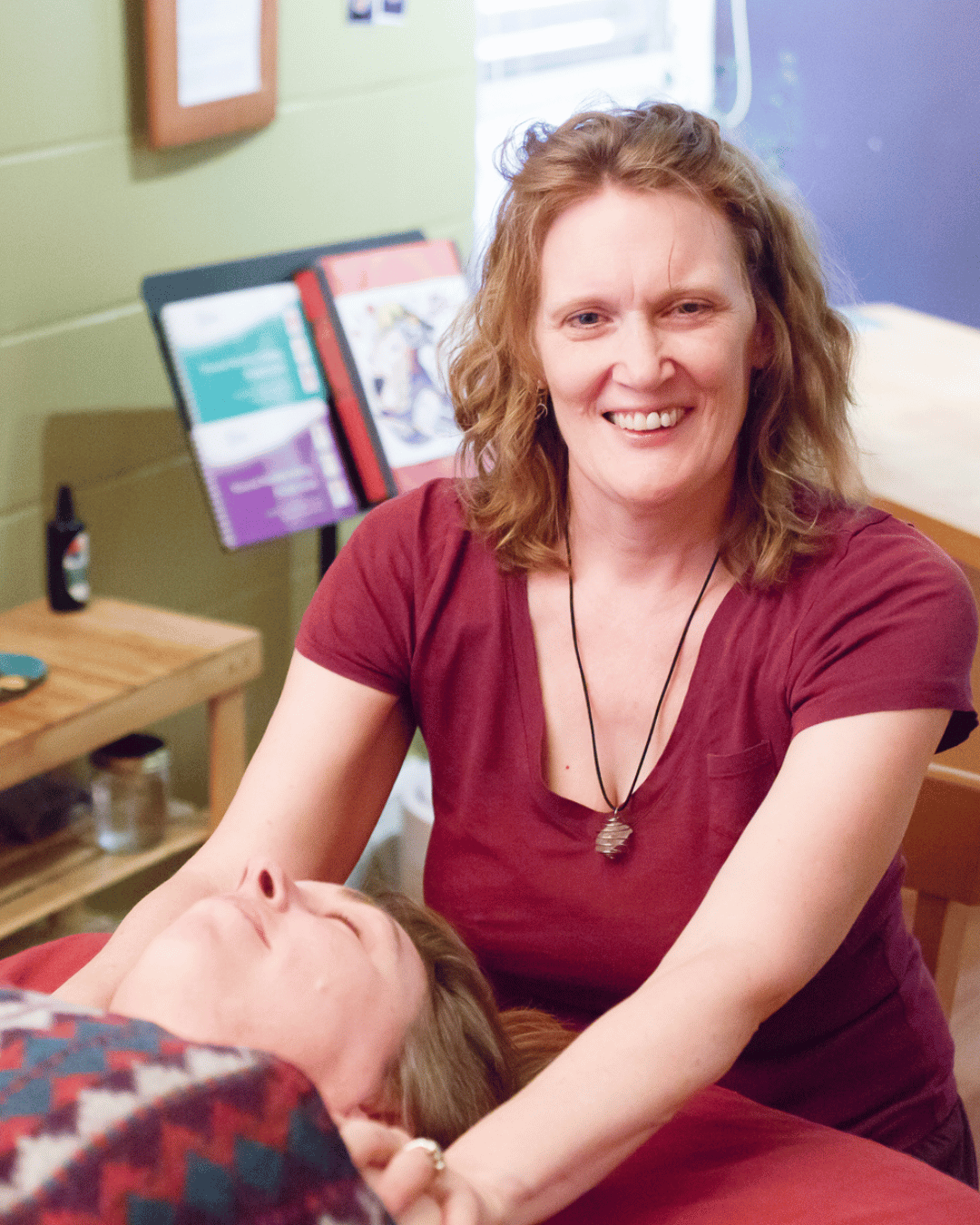
Information about lymphatic drainage seems to be everywhere — social media, wellness clinics, post-surgery recovery plans. But between the trend content and the overclaiming, it can be hard to know what manual lymphatic drainage actually does, who genuinely benefits, and what it cannot do.
I’m Pam Fichtner, a Registered Massage Therapist and the founder of Sephira Healing in Saskatoon, Saskatchewan. I’ve specialized in lymphatic drainage for nearly 30 years and hold certification through the Dr. Vodder School International — widely considered the gold standard for MLD education globally.
What follows is a plain-language, evidence-informed guide to what this work actually involves. No snatched jawlines. No detox miracles. Just what the research and clinical experience actually support.
What Is Lymphatic Drainage Massage?
Lymphatic drainage massage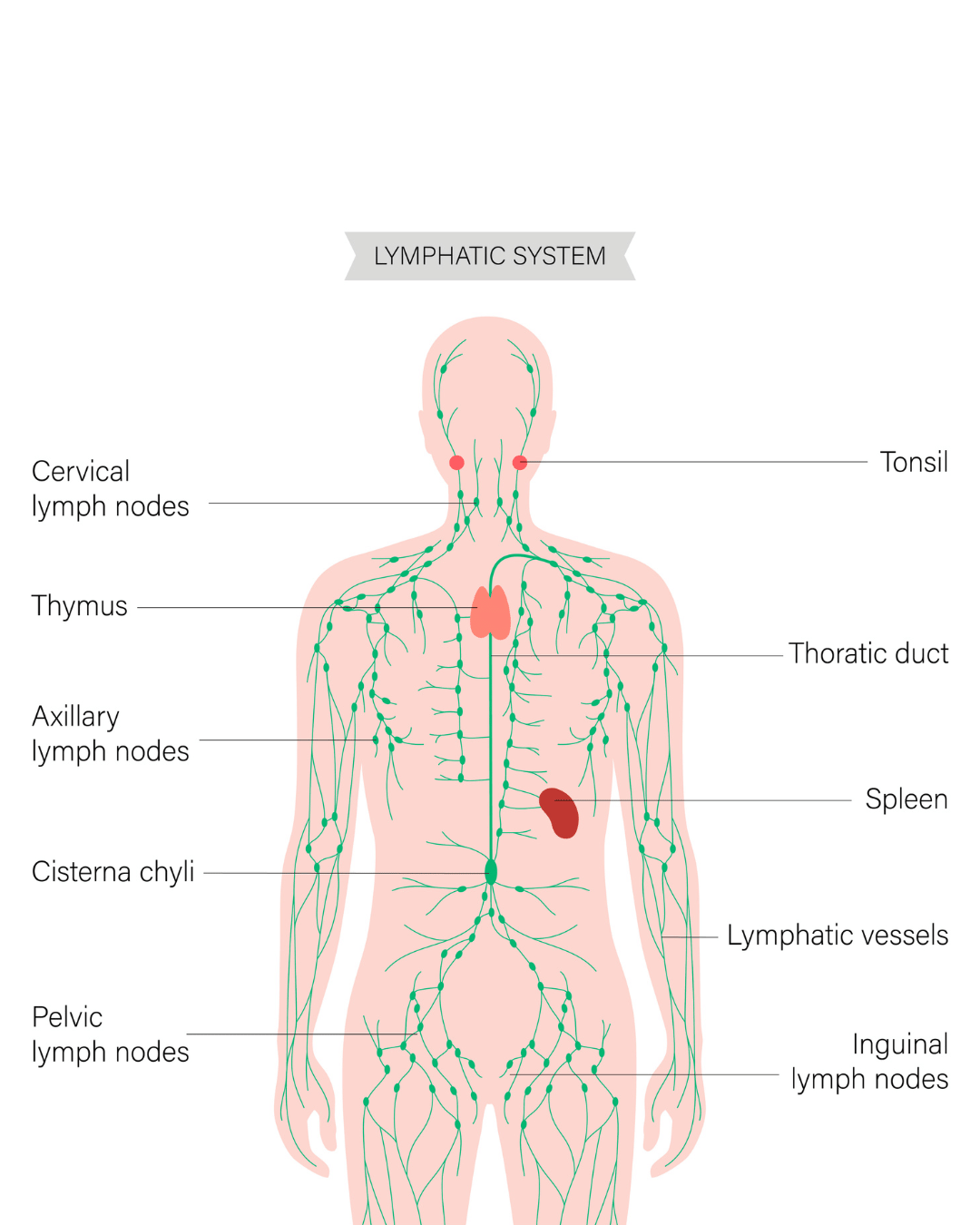 — also called Manual Lymphatic Drainage (MLD) — is a specialized, gentle form of massage therapy designed to support the movement of lymph fluid through the body’s lymphatic system.
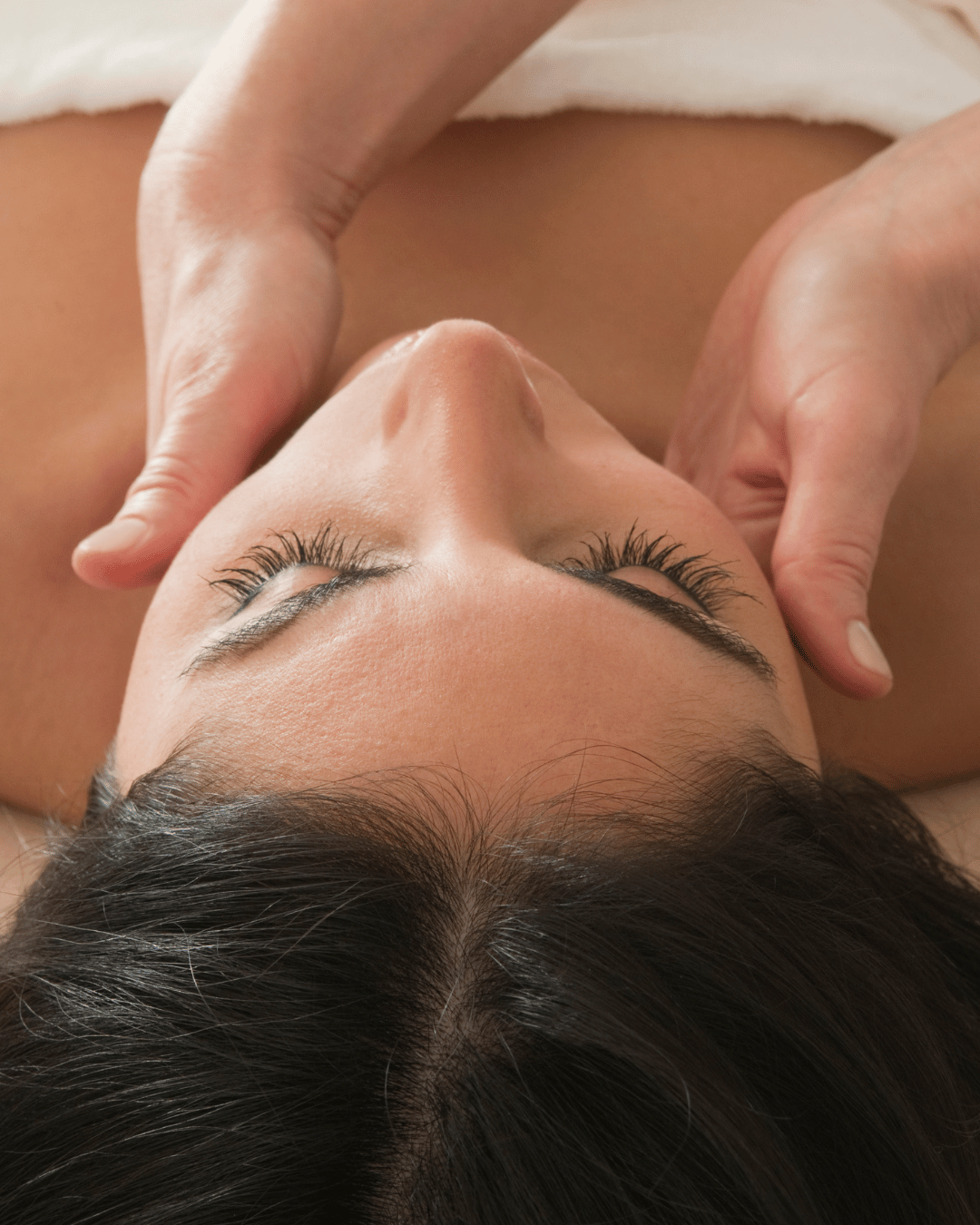
Unlike deep tissue or Swedish massage, MLD uses very light pressure applied in specific sequences and directions. The lymphatic system sits just beneath the skin, so the technique works at the surface level — not through the muscle.
Sessions typically begin by stimulating the main lymph node clusters — neck, armpits, and groin — to create space for fluid to move into, then gently coaxing congested lymph fluid from swollen tissues toward those working nodes, which eases the swelling.
What Does the Lymphatic System Actually Do?
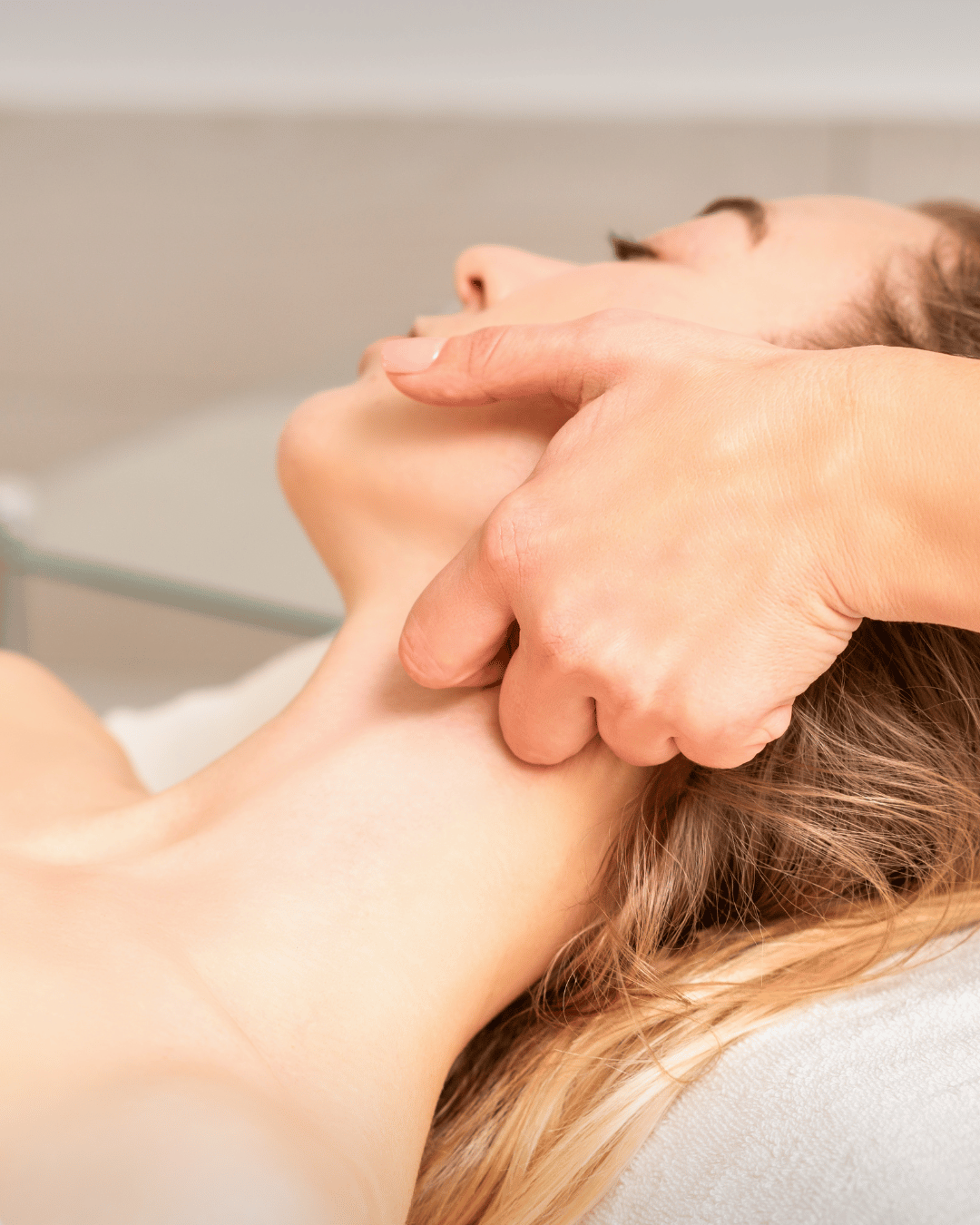 Your lymphatic system is a network of vessels, nodes, and organs running throughout your body. It has several critical functions:
• Collects excess fluid from your tissues and returns it to your bloodstream
• Filters waste, bacteria, and cellular debris
• Transports immune cells (white blood cells) to where they’re needed
• Supports fat absorption from the digestive system
Here’s what most people don’t know: unlike your cardiovascular system, the lymphatic system has no pump. Your heart moves blood. But lymph fluid depends entirely on muscle movement, breathing, and pressure changes to keep flowing.
This is why heat, inactivity, illness, surgery, or injury can slow or disrupt it — and why targeted manual work can help get things moving again when the system becomes congested.
Can Lymphatic Drainage Help With Swelling and Fluid Retention?
Yes — and this is where the strongest clinical evidence lies.
Swelling (edema) occurs when lymph fluid accumulates in tissues faster than the lymphatic system can clear it. Manual lymphatic drainage is one of the most well-supported non-surgical interventions for reducing this kind of swelling, particularly when it’s related to a compromised lymphatic system.
The peer-reviewed evidence here is strong. Clinical research consistently shows that MLD — particularly when combined with compression therapy — can meaningfully reduce limb swelling in lymphedema, including lymphedema related to breast cancer surgery. The benefit tends to be greatest when treatment is started early in recovery and delivered by a practitioner trained specifically in manual lymphatic drainage.
MLD is also used clinically for:
• Post-surgical swelling, particularly after breast surgery, mastectomy, lumpectomy, and other upper body procedures
• Fluid retention associated with hormonal changes, including perimenopause
• Swelling from injury or trauma
• Chronic venous insufficiency
• Fibromyalgia and rheumatoid arthritis
• Lipedema
Important note: For people with a healthy, fully functioning lymphatic system, the benefit of lymphatic drainage is more limited — and primarily relates to relaxation and general circulation support. The strongest benefits are seen when the lymphatic system is compromised, congested, or recovering from surgery or illness.
What Does Lymphatic Drainage Feel Like?
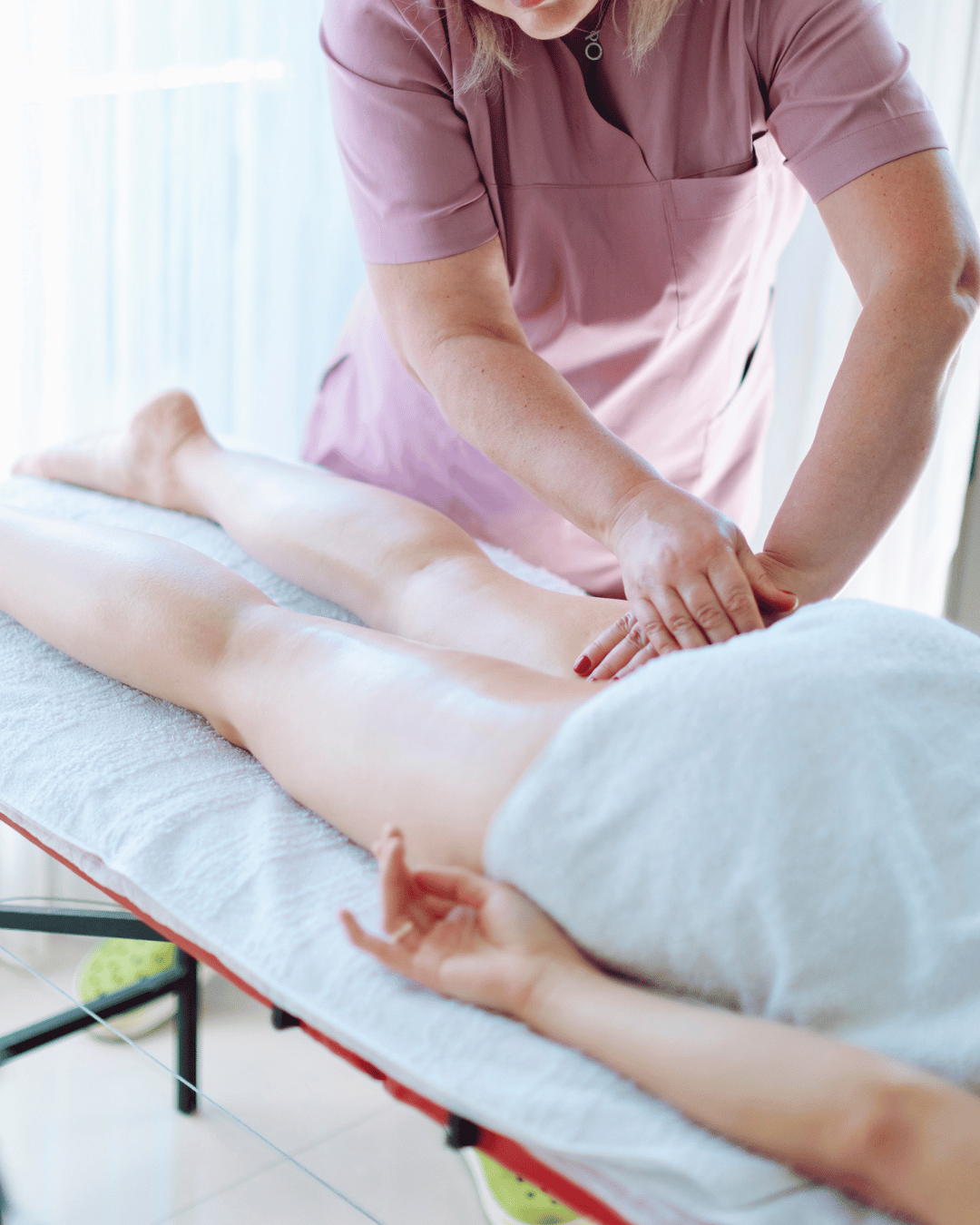 Most people are surprised by how gentle it is.
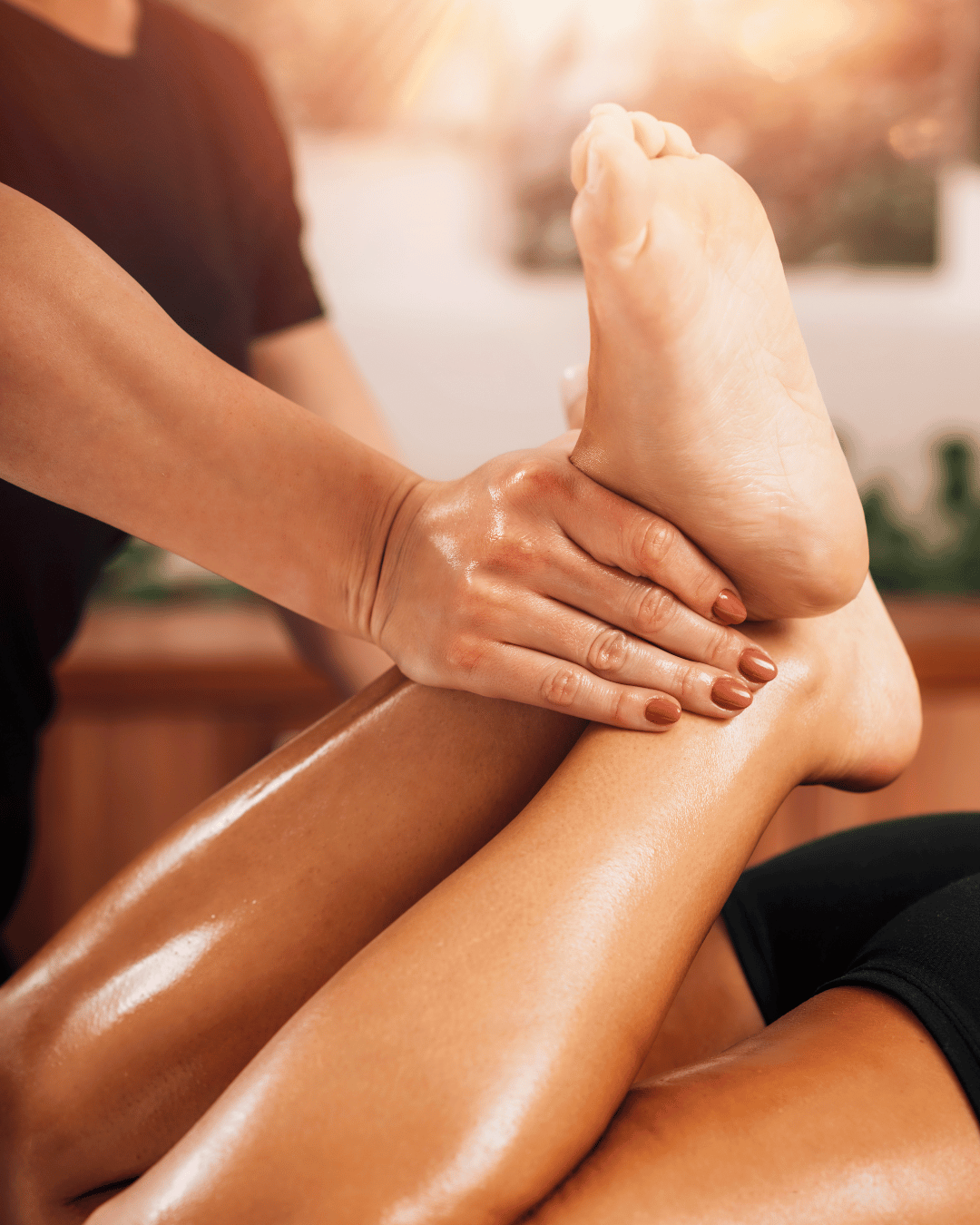
MLD uses very light, rhythmic strokes — sometimes described as feeling like a slow, gentle skin stretch or a feather-light wave of pressure moving across the surface of the body. There is no deep pressure, no strong kneading, and no discomfort. Many clients find it deeply relaxing; some fall asleep.
The sensation is quite different from a therapeutic massage targeting muscles or knots. If a practitioner is applying heavy pressure during what they describe as “lymphatic drainage,” that’s not clinically accurate technique.
Sessions at Sephira Healing typically last 45 to 60 minutes, depending on the area being treated and the reason for treatment. Every session begins with a conversation, and consent is explicit, ongoing, and never assumed.
Who Benefits Most From Lymphatic Drainage?
Based on clinical evidence and nearly three decades of practice, the people who experience the most meaningful results from MLD include:
• People with lymphedema, particularly after breast surgery, mastectomy, or axillary lymph node removal
• People recovering from any breast or chest surgery, including lumpectomy, reconstruction, or reduction
• People managing chronic swelling from fibromyalgia, rheumatoid arthritis, lipedema, or chronic venous insufficiency
• People experiencing perimenopausal or hormonal fluid retention
• People with post-surgical swelling or scar-related lymphatic disruption
• People recovering from injury or trauma involving significant bruising or swelling
Lymphatic drainage may also provide general benefit for people who feel chronically heavy, puffy, or low-energy — particularly in summer heat, when lymphatic flow naturally slows. For people without an underlying lymphatic issue, the effects tend to be more modest.
Can Lymphatic Drainage Help After Surgery or Injury?
This is one of the most clinically significant applications of MLD — and one that many people aren’t told about after their procedure.
Surgery disrupts lymphatic vessels and can interfere with fluid drainage in the surrounding tissue. This is why post-surgical swelling is so common — and why it can persist for weeks or months if the lymphatic system doesn’t receive support.
A 2020 meta-analysis of 17 randomized controlled trials involving 1,911 patients found that MLD shows meaningful benefit in managing lymphedema in patients after breast cancer surgery, particularly when started within the first month of post-surgical recovery.
For injury, MLD can help reduce bruising and post-traumatic swelling by clearing accumulated fluid from damaged tissue and supporting the body’s natural healing process.
If you’re recovering from breast or chest surgery and haven’t been offered lymphatic drainage as part of your recovery plan, it may be worth asking about. Many people don’t know it’s an option until well after they needed it.
What Are Signs Your Lymphatic System May Be Congested?
 You don’t need a diagnosis to benefit from lymphatic support. Some common signs the lymphatic system may be sluggish or congested include:
• Persistent puffiness or swelling, especially in the arms, hands, or chest (you might notice one sleeve fitting tighter than the other)
• A feeling of heaviness or tightness in the limbs or upper body
• Breast or chest tissue that feels dense, tender, or unusually full
• Recurrent sinus congestion or frequent illness
• Fatigue that isn’t explained by sleep
• Skin that feels tight or looks slightly dull
• Swelling that worsens in heat or after long periods of sitting or travel
These signs can have many causes, and lymphatic drainage is not a diagnosis or treatment for medical conditions. But for people experiencing these patterns, particularly in combination, supporting lymphatic flow is often a useful part of their overall care.
This is also part of why lymphatic drainage is sometimes explored by people living with chronic inflammatory or autoinflammatory conditions. When inflammation remains elevated in the body over long periods of time, people often experience swelling, tenderness, heaviness, fatigue, or a sense that their body constantly feels “stressed.”
While Manual Lymphatic Drainage (MLD) is not a cure or treatment for autoimmune or autoinflammatory diseases, some people find it supportive for comfort, swelling management, nervous system regulation, and reconnecting with body awareness in a gentler way.
What Lymphatic Drainage Does NOT Do
This is important — and I include it deliberately, because overclaiming in this space is a real problem.
Manual lymphatic drainage does not:
• Cause significant or lasting weight loss
• Permanently remove cellulite
• Detox the liver or kidneys (those organs handle that continuously and independently)
• Treat or prevent cancer
• Produce the same results as clinical MLD when performed by an untrained practitioner or with at-home tools
The social media version of lymphatic drainage — gua sha tools, face rollers, five-minute routines for a “snatched” look — is not the same as clinical Manual Lymphatic Drainage. There may be some mild circulation benefit to gentle self-massage, but the physiological effects are not equivalent to trained, certified MLD.
I teach breast and chest self-massage myself and believe deeply in people knowing their own bodies. But the clinical work is different. It matters to say so clearly.
Does Lymphatic Drainage Really Remove Toxins?
 Sort of — but not in the way it’s usually described online.
Your lymphatic system is genuinely responsible for filtering cellular waste, bacteria, and metabolic byproducts from your tissues. In that sense, supporting lymphatic flow does help the body’s natural filtration process work more efficiently.
But “detox” as a marketing claim — the idea that lymphatic drainage will flush unspecified toxins and transform your health — is not supported by evidence. Your body’s detoxification is handled primarily by your liver and kidneys, continuously and effectively, without needing a massage to do it.
What MLD can do is help reduce congestion in lymphatic tissue, support immune function, and improve the movement of lymph fluid that has accumulated due to surgery, illness, or impaired flow. That’s meaningful. It just doesn’t need to be oversold.
When Should You Avoid Lymphatic Drainage Massage?
Lymphatic drainage is contraindicated — meaning it should be avoided — in certain situations. Always inform your therapist of your current health status before a session.
MLD is generally not appropriate if you have:
• Active blood clots or deep vein thrombosis (DVT)
• Acute infection, fever, or active cellulitis
• Congestive heart failure or kidney failure
• Active, untreated malignancy in the area being treated
• Active inflammation or flare-up of inflammatory conditions
If you’re unsure whether lymphatic drainage is appropriate for your situation, speak with your physician or specialist first. A qualified RMT with training in MLD will also conduct a health history before beginning treatment and will not proceed if contraindications are present.
Why Lymphatic Drainage Is Often Recommended After Breast Surgery
Breast surgery — whether a lumpectomy, mastectomy, reconstruction, or reduction — interrupts the lymphatic pathways in and around the breast and underarm area. Lymph nodes are sometimes removed or disturbed. Scar tissue forms and can further restrict fluid movement in the months and years after surgery.
This is one of the most underserved gaps in post-surgical care. People are often sent home with wound care instructions but little guidance on what to do about persistent swelling, tightness, or the way their body feels different in the chest and arm after surgery.
Manual lymphatic drainage in the post-surgical period can:
• Reduce post-operative swelling and bruising
• Support healthy tissue healing around the surgical site
• Help prevent or manage lymphedema in those at risk
• Reduce tightness and improve range of motion in the arm and shoulder
• Be combined with scar tissue massage as healing progresses
Timing matters. In most cases, MLD can begin relatively soon after surgery — but the timeline depends on your procedure, your surgeon’s guidance, and the state of your healing. It’s always best to work in coordination with your surgical team.
If you’ve had breast surgery and weren’t offered lymphatic drainage as part of your recovery — it’s not too late. Many clients come to me months or years after surgery and still experience meaningful benefit.
Why Some People Feel Tired or Emotional After Lymphatic Drainage
This one surprises people — and it’s worth talking about directly.
Some clients feel unusually tired in the 24 to 48 hours following an MLD session. Some feel emotionally tender, or notice old feelings surfacing. This is not unusual, and it’s not a sign that something went wrong.
A few things may explain it:
• The lymphatic system is deeply connected to the immune system. When lymph flow is stimulated, the body may shift resources toward processing and clearing — which takes energy.
• MLD activates the parasympathetic nervous system (the “rest and digest” state), which can bring a deep sense of release or fatigue after a period of chronic holding.
• For people who carry physical tension related to past stress or experiences, a session that softens that holding can sometimes bring up feelings that were being held alongside the tension. This is a body awareness response, not a psychological crisis.
If you feel tired after a session, rest. Drink water. Give your body a day to integrate. Most people feel noticeably better within 48 hours, especially after a series of sessions.
If you experience anything that concerns you — significant discomfort, swelling that worsens rather than improves, or unexpected symptoms — contact your therapist and your healthcare provider.
About Pam Fichtner
 Pam Fichtner is a Registered Massage Therapist, breast and chest health educator, and the founder of Sephira Healing in Saskatoon, Saskatchewan. She has specialized in breast and chest massage therapy, manual lymphatic drainage, craniosacral therapy, and trauma-aware somatic bodywork for nearly 30 years. She holds certification through the Dr. Vodder School International in manual lymphatic drainage and complete decongestive therapy, and is a court-recognized expert witness in breast massage therapy for Saskatchewan.
Sephira Healing provides breast and chest massage therapy, lymphatic drainage, scar care, craniosacral therapy, somatic experiencing, and educational programs for people across Canada.
Frequently Asked Questions
What is lymphatic drainage massage therapy?
Lymphatic drainage massage therapy (also called Manual Lymphatic Drainage or MLD) is a gentle, specialized massage technique that supports the movement of lymph fluid through the body’s lymphatic system. It uses very light pressure in specific sequences to move congested fluid toward working lymph nodes. It’s used clinically for post-surgical swelling, lymphedema, fluid retention, and general lymphatic support.
How is manual lymphatic drainage different from regular massage?
Regular therapeutic massage works on muscles and deeper tissue using moderate to firm pressure. Manual lymphatic drainage uses very light, rhythmic pressure on the surface of the skin, where the lymphatic system sits. The techniques, pressure, sequence, and goals are entirely different. A practitioner who performs deep tissue massage is not automatically qualified to perform MLD.
How many sessions does lymphatic drainage take?
It depends on why you’re seeking treatment. For acute post-surgical swelling, a series of sessions over several weeks is often recommended. For general lymphatic support or perimenopausal fluid retention, many clients notice a meaningful difference within 3 to 5 sessions. Your therapist will discuss a realistic plan based on your situation at your first appointment.
Does lymphatic drainage hurt?
No. MLD is extremely gentle — one of the lightest forms of manual therapy available. If you’re experiencing pain during a session described as lymphatic drainage, the technique being used is not accurate MLD.
Is lymphatic drainage safe for everyone? When should I avoid it?
For most people, MLD is very safe precisely because it’s so gentle. But there are situations where it isn’t appropriate, or where I’ll want your doctor’s input first — including an active infection, a current blood clot, congestive heart failure, kidney concerns, or a cancer diagnosis your care team hasn’t yet cleared you for. I work with many people during and after cancer treatment; we simply make sure your oncology team is on board first. None of this is meant to alarm you — it’s simply why I take a full health history before we begin. If lymphatic drainage isn’t the right fit for you, I’ll tell you, and we’ll find something that is.
How will I know it’s working?
Most people feel the difference before they see it. Clothing or rings feel looser, that heavy or puffy feeling eases, tender areas soften, and many people simply feel lighter and more settled. With swelling or lymphedema, we can also track changes more objectively over time. If you’re not noticing any change after a few sessions, please tell me — that’s useful information, and we’ll adjust your plan together.
Is lymphatic drainage covered by insurance, and what does it cost?
Because your sessions are provided by a Registered Massage Therapist, many extended health plans that include massage therapy will help cover them — though coverage varies from plan to plan, so it’s always worth checking yours.
Can I do lymphatic drainage on myself?
Yes, to a limited degree. Self-lymphatic massage can support fluid movement and is something I teach many of my clients as part of their home care practice. I also run self-care workshops where I walk people through these at-home techniques step by step — especially helpful if you’re managing swelling or recovering from breast surgery. That said, self-massage doesn’t replicate the clinical effects of trained MLD, particularly for conditions like lymphedema or post-surgical recovery where specific sequencing and pressure matter.
What does a session at Sephira Healing involve?
Every session at Sephira Healing begins with a conversation. I want to understand what you’re experiencing, what feels concerning, and what you’re hoping to get from your care. Consent is explicit, ongoing, and never assumed. Sessions may include lymphatic drainage massage therapy, scar care, craniosacral therapy, or trauma-aware somatic bodywork, depending on what your body needs. My goal is never to create dependence — it’s to help you feel more informed, more comfortable, and more at ease in your own body.
Pam Fichtner, RMT | Breast and Chest Health Educator | Founder, Sephira Healing | Saskatoon, Saskatchewan
Sources & References
Cleveland Clinic. (2024, September 19). Lymphatic Drainage Massage: What It Is & Benefits. https://my.clevelandclinic.org/health/treatments/21768-lymphatic-drainage-massage
Cedars-Sinai. (2023, August 22). FAQs About Lymphatic Drainage Massage. https://www.cedars-sinai.org/stories-and-insights/expert-advice/lymphatic-drainage-massage-faqs
Liang M, et al. (2020). Manual lymphatic drainage for lymphedema in patients after breast cancer surgery: A systematic review and meta-analysis of randomized controlled trials. Medicine, 99(49). https://www.ncbi.nlm.nih.gov/pmc/articles/PMC7717855/
Marxen T, et al. (2023). The Utility of Lymphatic Massage in Cosmetic Procedures. Aesthetic Surgery Journal Open Forum. https://pmc.ncbi.nlm.nih.gov/articles/PMC10045879/
University Health Network (UHN), Toronto. How to Do Self Lymphatic Massage. https://www.uhn.ca/PatientsFamilies/Health_Information/Health_Topics/Documents/How_to_Do_Self_Lymphatic_Massage_Lower_Body.pdf
WebMD. Lymph Drainage Massage: Benefits and Risks. https://www.webmd.com/a-to-z-guides/what-is-lymph-drainage-massage
MD Anderson Cancer Center. (2025, June 10). Manual lymph drainage: What to know. https://www.mdanderson.org/cancerwise/manual-lymph-drainage--what-to-know-about-exercises-for-lymphede.h00-159777234.html