What's Normal for Your Breasts, and When to Ask
The short version:
● Most of us learn what to fear about breasts before we learn what's supposed to be normal for our own.
● Breasts change with your cycle, pregnancy, hormones, menopause, aging, weight, medication and surgery. Change on its own is not a warning sign.
● Knowing your own baseline is what makes a real change easier to notice.
● Paying attention is not the same as looking for problems.
● Bring anything new, persistent or worrying to a healthcare provider rather than diagnosing yourself online.
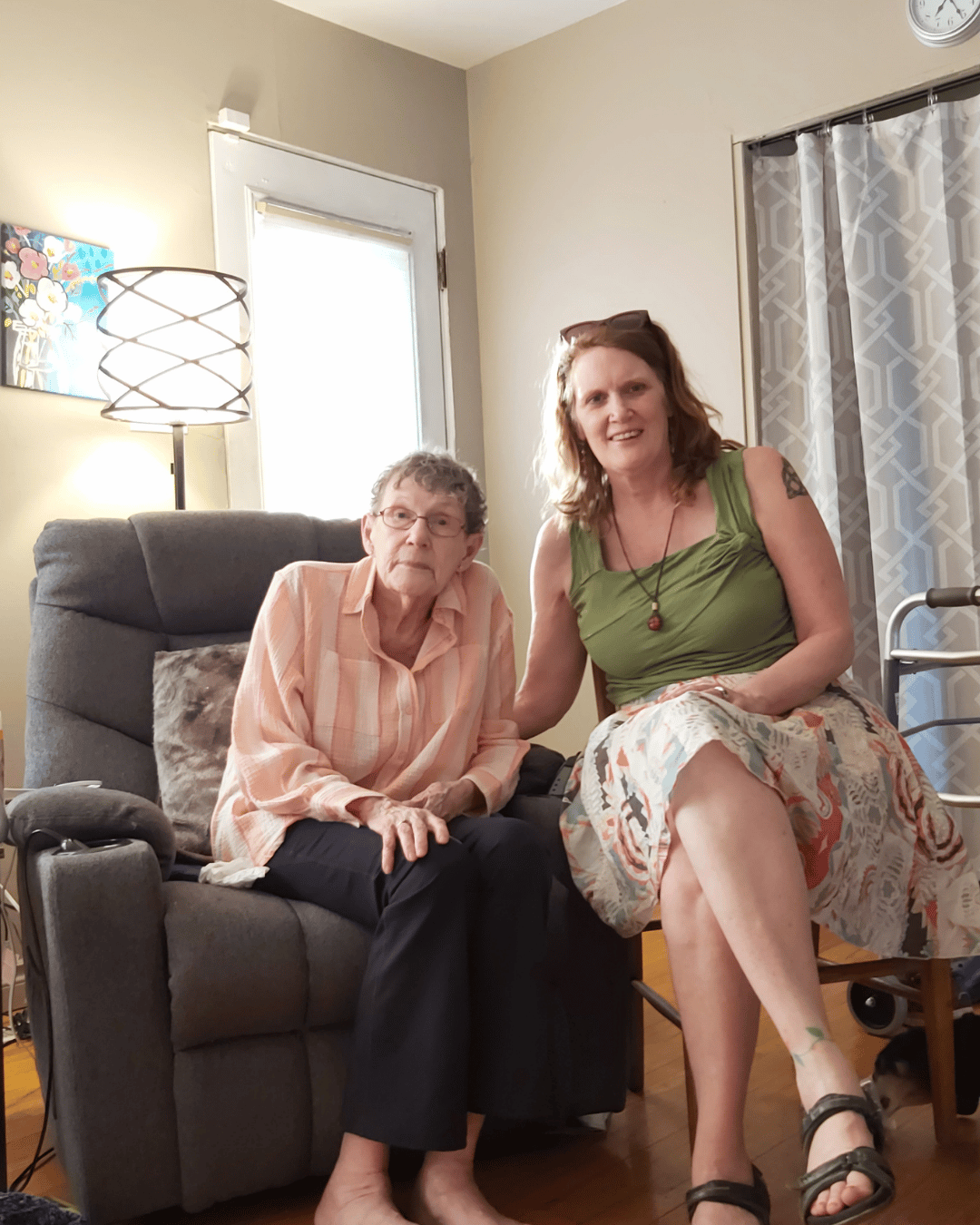 I was a teenager when my grandmother came to stay with us after having a mastectomy. She had been diagnosed with breast cancer, had surgery, came home, and carried on. It was in 1989/1990, I was in my 20s, and that kind of thing was not talked about openly.
There wasn't much discussion about what had happened to her body, how she felt about losing a breast, whether she was scared, or what recovery might look like.
I remember going downstairs to the room where she was staying and asking her about the surgery. We were close, and I asked her a lot of questions about life. She was very matter-of-fact about it. She showed me the scar across her chest, and that was about as much as we talked about it.
But I thought about it.
A lot.
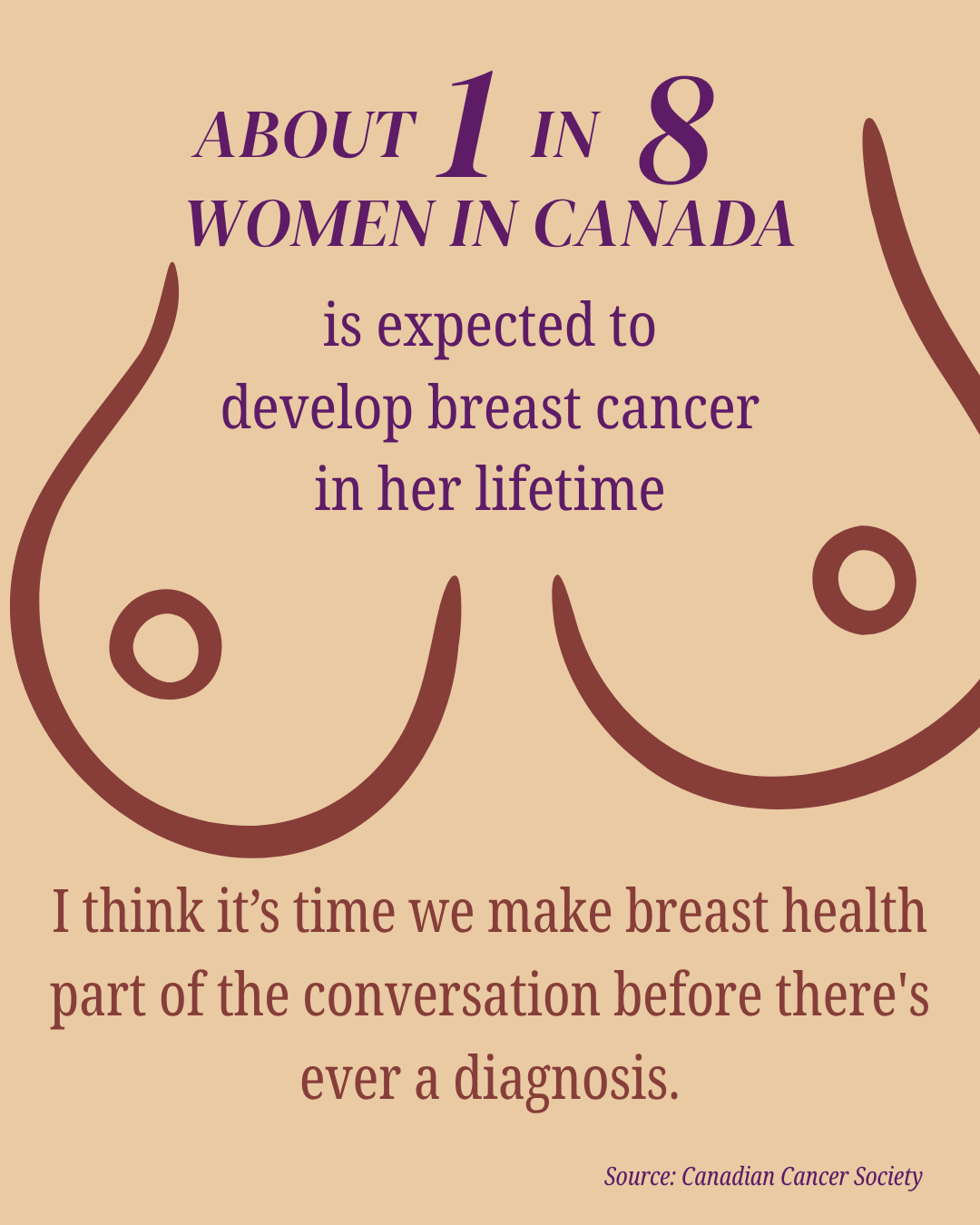
I wondered what losing a breast meant for her. I wondered if breast cancer ran in our family. And I was scared it might happen to me one day too.
Looking back now, I can see that I learned about breast cancer before I ever really learned about breast health. For a lot of women, I think that's still the order.
What's normal for breasts?
October brings a lot of important attention to breast cancer. We hear about mammograms, lumps, screening, diagnosis and treatment, but what about this:
Do you actually know what's normal for your own breasts?
After nearly 30 years working with women and their breast health, it’s clear we need to start talking about this earlier, and getting comfortable with it. That doesn't mean knowing every possible symptom. Sometimes, we memorize the flags and rule them out to decide if everything’s normal or not. That can create fear if you’re not familiar enough with your breasts that you have some idea of what is typical for you.
Breasts change. They can change with:
● your menstrual cycle
● pregnancy and breastfeeding
● hormonal changes
● perimenopause and menopause
● aging
● weight changes
● medications
● surgery and other health experiences
One breast may be a little larger than the other. Your breasts may feel more tender or full at certain times of the month. Your nipples and areolae can look different through different stages of life. Texture can change. Shape can change. How you feel about your breasts can change too.
None of that means you should dismiss a new or concerning change. It means having a baseline makes it easier to recognize when something really is different.
“Is this normal?” The question I hear most
Sometimes it's “one breast is bigger, is that normal?” Sometimes it's “my nipple looks different,” or “why does one breast hurt,” or “my tissue feels lumpier this month,” or simply “something just feels different.”
And sometimes the question comes with an apology. “This might be a stupid question.” “This is embarrassing.” “I don't know if I should even be asking this.”
There are very few breast or chest questions I haven't heard. You do not have to apologize for asking me one. But if you’re too uncomfortable asking anyone, I'd much rather you get curious than sit at home worrying.
Ask yourself these questions:
● What changed?
● When did you notice it?
● Is it on one side or both?
● Does it change through the month?
● Is it new for you?
Those are often much more useful starting questions than jumping straight to the worst-case scenario.
Paying attention is different from looking for problems
This is something I wish more people understood.
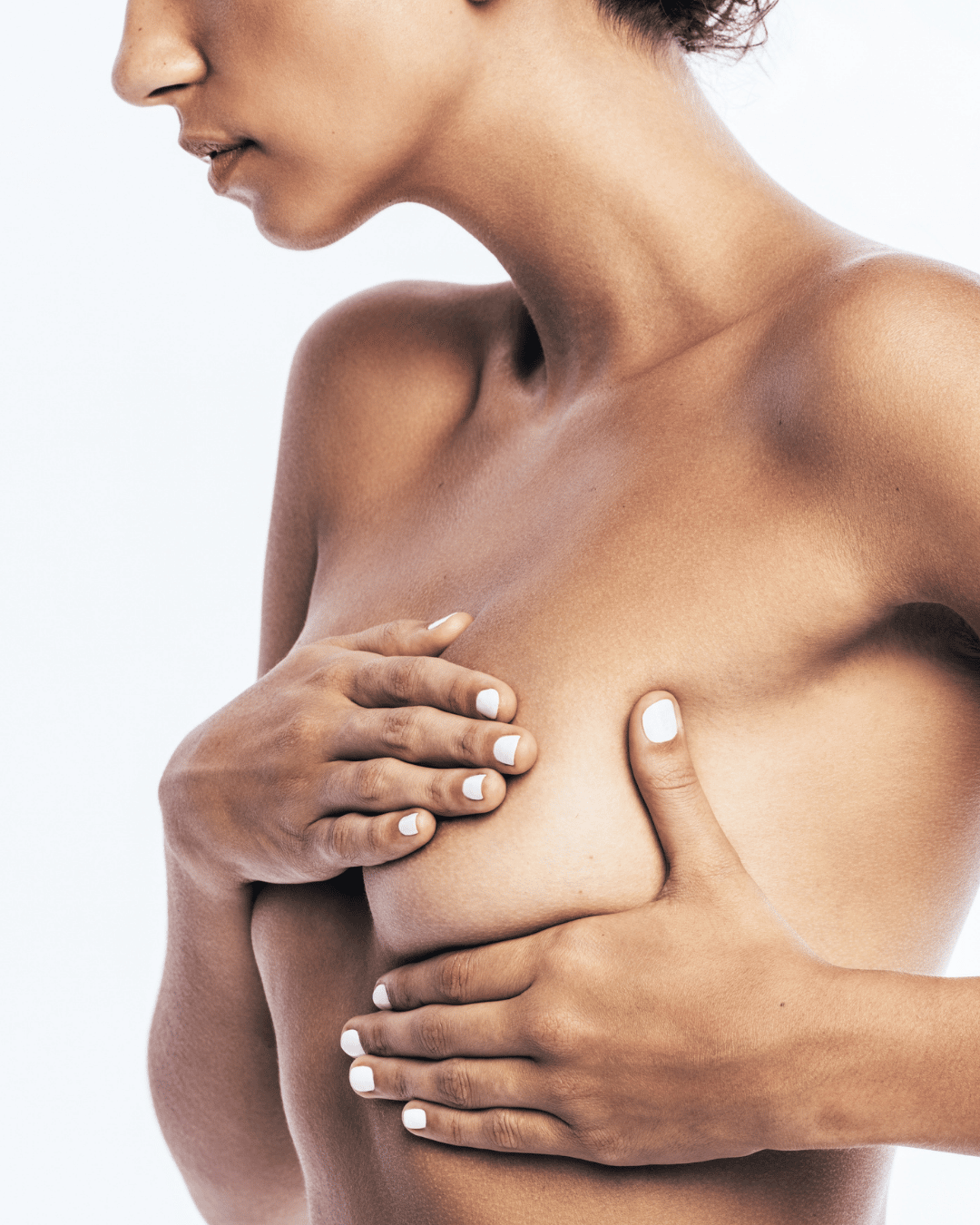 Paying attention to your breasts doesn't mean becoming hyper-focused on every ache, bump or change. It doesn't mean assuming something is wrong. It means having enough familiarity with your own body to notice when something deserves a second look.
That is a skill. And most of us were never really taught it.
Looking for problems starts from fear, and fear is exhausting to sustain. It tends to end one of two ways. Either you check obsessively and every ordinary change feels like evidence, or you avoid checking altogether because the whole subject makes you anxious. I've met plenty of women on both ends of that, and neither one leaves you knowing your own body any better.
Paying attention starts from familiarity instead. You know roughly what your breasts feel like in the week before your period, and roughly what they feel like after. You know which side is a little larger. You know the lumpy patch that's been there for a decade. None of that takes extra time or a schedule. It comes from being on ordinary terms with your own body, and it's what makes a genuine change stand out.
My grandmother's generation certainly wasn't encouraged to talk openly about breasts, cancer, mastectomy, body image or what it meant emotionally to lose a breast. In my family, her surgery was treated as something private that happened, healed and was put away. Years later, some family members barely remembered it.
I did. That experience stayed with me and eventually became part of why I moved toward women's health and breast health in my own work.
Breast health doesn't start with cancer
This may be the biggest thing I've learned. Breast health is not only about finding disease. And it doesn't end when treatment does either.
About 90% of women diagnosed with breast cancer in Canada survive at least five years (Statistics Canada, 2025). That means there are many women living for years after diagnosis while navigating surgery, scars, swelling, changes in sensation, body image, movement and the question of what breast and chest health looks like now.
Those are the physical parts, and they're the ones that get talked about. The harder part to name is the grief.
A diagnosis asks you to say goodbye to things. Sometimes a breast. Sometimes the body you had before, or the version of your life where this wasn't happening. There's rarely a moment set aside for any of that. You move from appointment to appointment, and the feelings come along without ever being put down anywhere.
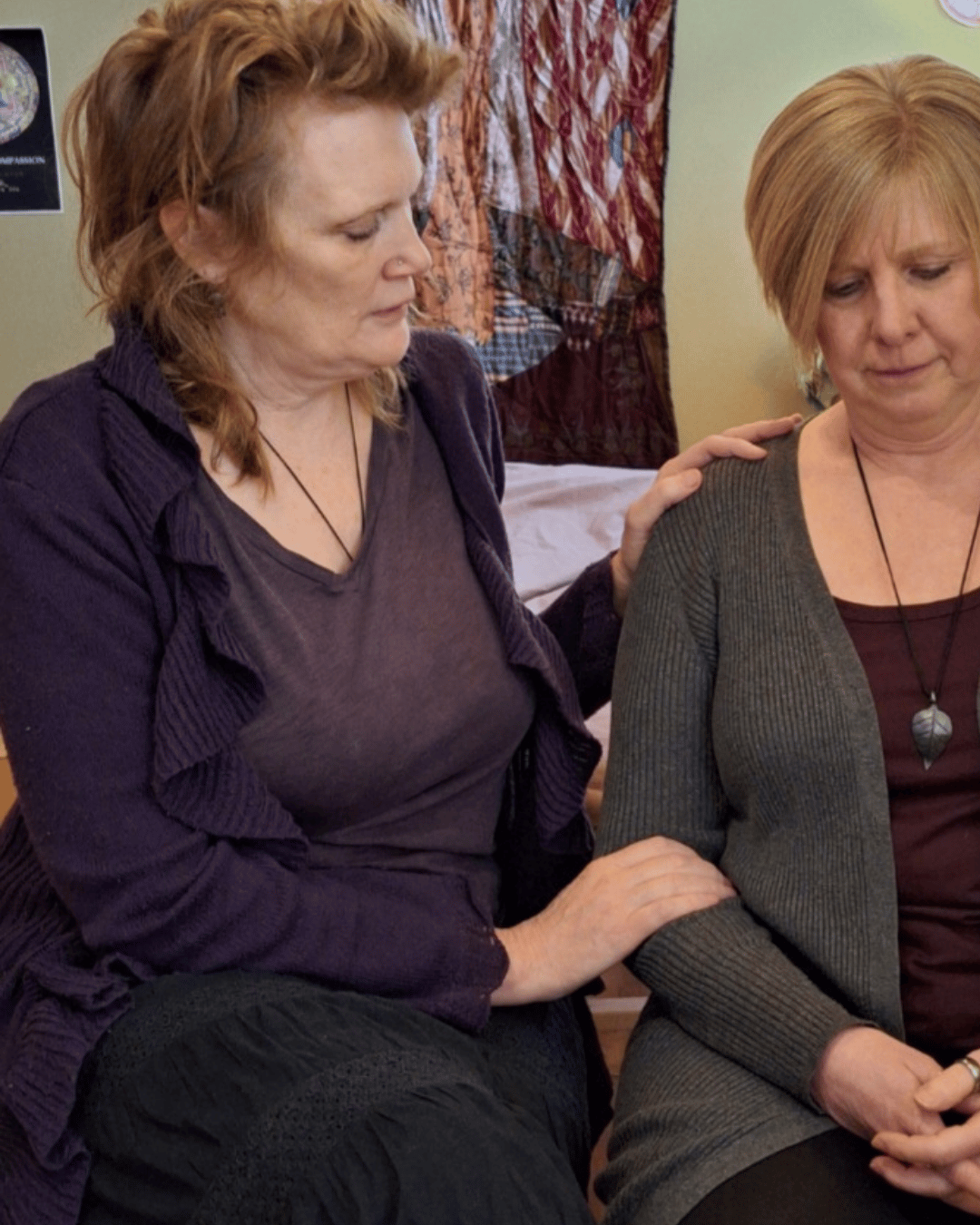
Some of my work is about making that moment on purpose. I've sat with a client who wanted to say goodbye to her breasts before a double mastectomy. We built a ceremony for it at her home, with an altar, a song that mattered to her, and a letter she wrote to herself. She went into surgery having marked the loss rather than only having braced for it.
That side of my practice comes from more than my massage therapy training. I spent years as a crisis intervention counsellor and mental health advocate, I have somatic experiencing trauma training, I was a lay chaplain for six years, and I've taken end-of-life doula training. Ceremony matters to me because it gives us a doorway into making an experience meaningful. Pausing, marking the time, giving it space on purpose, and then moving on.
There's no right point on the journey for it. It can be right after diagnosis, before surgery, at the end of treatment, or years later. If that's something you'd want, I can help you create one.
So when I talk about breast health, I mean something much wider than screening alone.
Breast health is also about:
● knowing your body
● asking questions
● understanding change
● caring for yourself through different stages of life
● getting support after surgery or treatment
● feeling comfortable enough to talk about a part of the body many of us were taught to keep private
When the only breast-health message you hear is “watch for cancer,” it's easy for fear to become the starting point.
I'd rather curiosity come first.
What breast changes should you pay attention to?
You do not need to memorize a giant list. Start with what is normal for you. Notice your usual breast size and shape, skin appearance, nipple appearance, tenderness, texture, and the differences between one side and the other.
Then pay attention to changes that are new, persistent or concerning to you. That might include:
● a new lump or thickened area
● a nipple that becomes newly inverted
● bloody nipple discharge
● a new skin change
● anything else that simply doesn't feel typical for you
Those are things to bring to a healthcare provider rather than trying to diagnose yourself online.
The goal isn't to know everything. The goal is to know enough about your own normal to know when it's time to ask.
Where to learn this in person
A lot of what I teach online comes back to the same thing. Pay attention. Ask questions. Learn what helps you. Make time for yourself before something becomes impossible to ignore.
But reading about those ideas and actually practising them are two different things. So there are two ways to do this with me in person.
My Women's Wellness Retreats
One full day focused on breast and chest health, lymphatic self-care, practical at-home techniques, and the questions women often don't get a chance to ask.
You don't need to have a breast-health problem to come. You may simply want to understand your breasts better, learn what's normal for you, or finally make some time to pay attention to yourself.
If a full day feels like a lot
I also run a shorter Breast Massage Self-Care workshop online. Same practical ground, on Zoom, from home. You choose whether your camera is on or off, so you can learn the techniques without being watched doing them.
👉 SEE THE NEXT ONLINE WORKSHOP
You can book an appointment with me any time of year to talk through a breast or chest concern, ask about lymphatic drainage or post-surgical care, or join my email list, where I answer real questions people send me.
And if you’re an RMT: I teach Breast & Chest Massage Therapy to registered massage therapists a few times a year as well.
👉
Whichever door you come through, all of it comes back to the same thing.
Nearly 30 years into this work, I still believe some of the most useful health conversations begin with a very simple question:
“Is this normal?”
I hope you’ll ask it.
Frequently asked questions
Is it normal for one breast to be bigger than the other?
Yes. Some natural difference in breast size or shape is common. A new or significant change is worth asking about.
Can breasts feel different at different times of the month?
Yes. Hormonal changes during the menstrual cycle can affect tenderness, fullness and how breast tissue feels.
Can nipples or areolae change colour?
Yes. Hormonal changes, including puberty, menstruation, pregnancy and breastfeeding, can affect nipple or areola colour. A new change affecting only one side, especially alongside other symptoms, should be checked.
How often should I check my breasts?
Guidance on this varies, and there isn't one schedule that suits everyone. What matters more than frequency is familiarity. If you know roughly what your breasts usually look and feel like, you're far more likely to notice a real change whenever it happens. Talk to your healthcare provider about what makes sense for you, including whether and when screening applies to your age and risk.
When should I talk to a healthcare provider about a breast change?
If you notice something new, persistent or concerning, including a new lump or thickened area, bloody nipple discharge, a newly inverted nipple, or a skin change, talk with a qualified healthcare provider.
Do I need to have a breast-health concern to attend the Women's Wellness Retreat?
No. The retreat is also for women who want to better understand their breast and chest health, learn practical self-care and make time to focus on themselves.
About the author
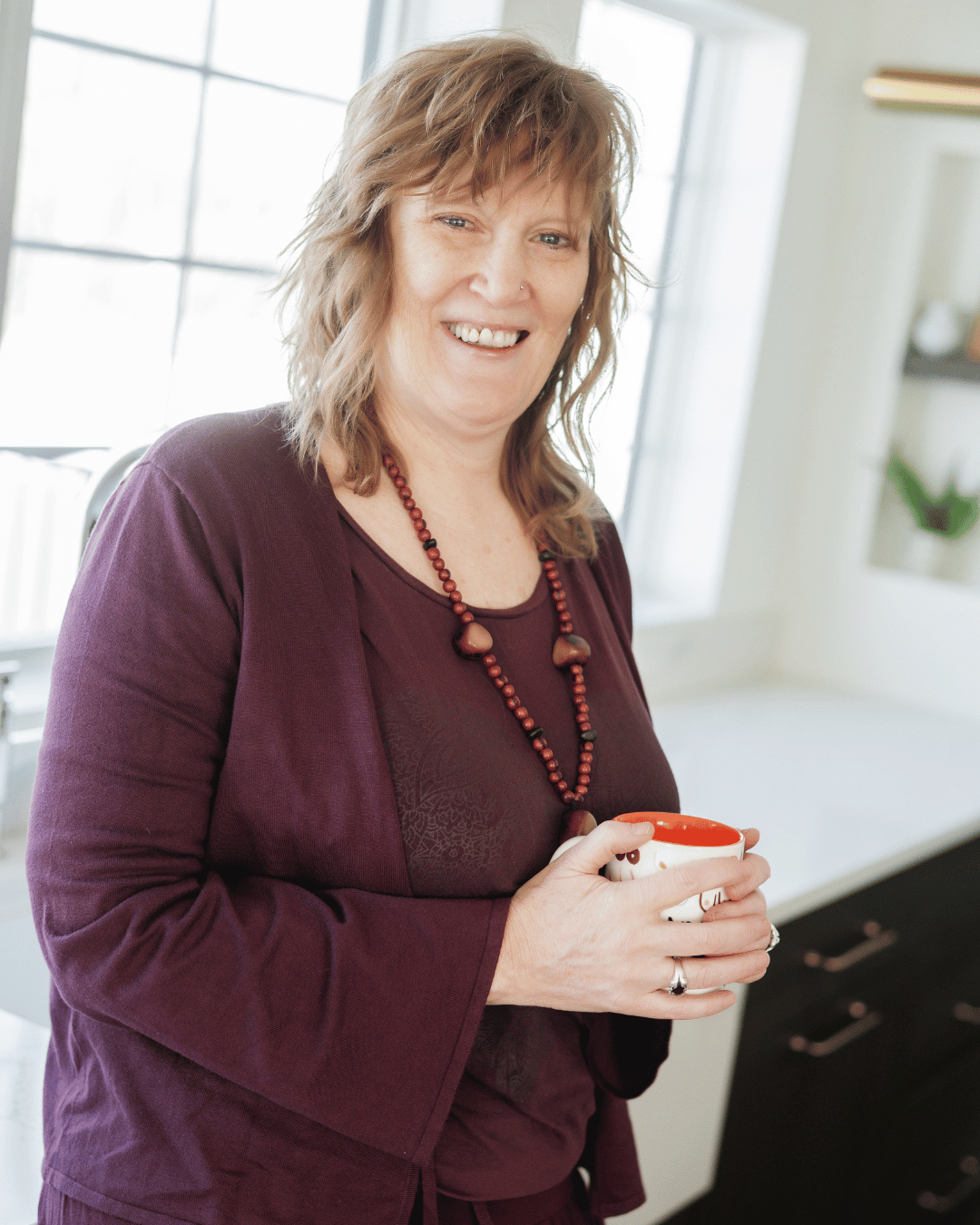 Pam Fichtner, RMT
Pam Fichtner is a Registered Massage Therapist and the founder of Sephira Healing in Saskatoon, Saskatchewan. She has worked in massage therapy for nearly 30 years, with a practice focused on breast and chest health, lymphatic drainage, scar tissue and post-surgical care, craniosacral therapy and trauma-aware bodywork.
She has been registered with the Massage Therapist Association of Saskatchewan since 2004, registration #2004-0870, and has advanced training in lymphatic drainage, oncology massage therapy, breast massage therapy and Somatic Experiencing.
Pam teaches Breast & Chest Massage Therapy to Registered Massage Therapists, has contributed to breast cancer and lymphedema research and education, has spoken publicly on breast and chest health, and is currently writing a book on the subject. Her work with clients spans the whole arc of breast health: before there’s a concern, through surgery and recovery, and sometimes through end of life.
Sources and further reading
Statistics in this article were verified against the following sources on August 27, 2026.
● Canadian Cancer Society, Breast cancer statistics
Lifetime probability of a breast cancer diagnosis in Canada.
● Statistics Canada, Cancer survival statistics, 1992 to 2021 (released August 2025)
Five-year net survival for breast cancer in women.
● Public Health Agency of Canada, Breast cancer in Canada
Overview of incidence, risk factors and screening.
● Canadian Task Force on Preventive Health Care
Current breast cancer screening guidance.
A note on scope
This article is educational and reflects my experience as a Registered Massage Therapist. It isn't medical advice, a diagnosis, or a substitute for care from a physician, nurse practitioner or other qualified healthcare provider. If you notice a breast or chest change that is new, persistent or concerning, please speak with a healthcare provider. Massage therapy does not detect, diagnose, prevent or treat breast cancer.
 Mental pain is another kind of pain that often goes unnamed. Some people call it the mental load. Either way, it's a lot. And it's a heavy weight no one else can see.
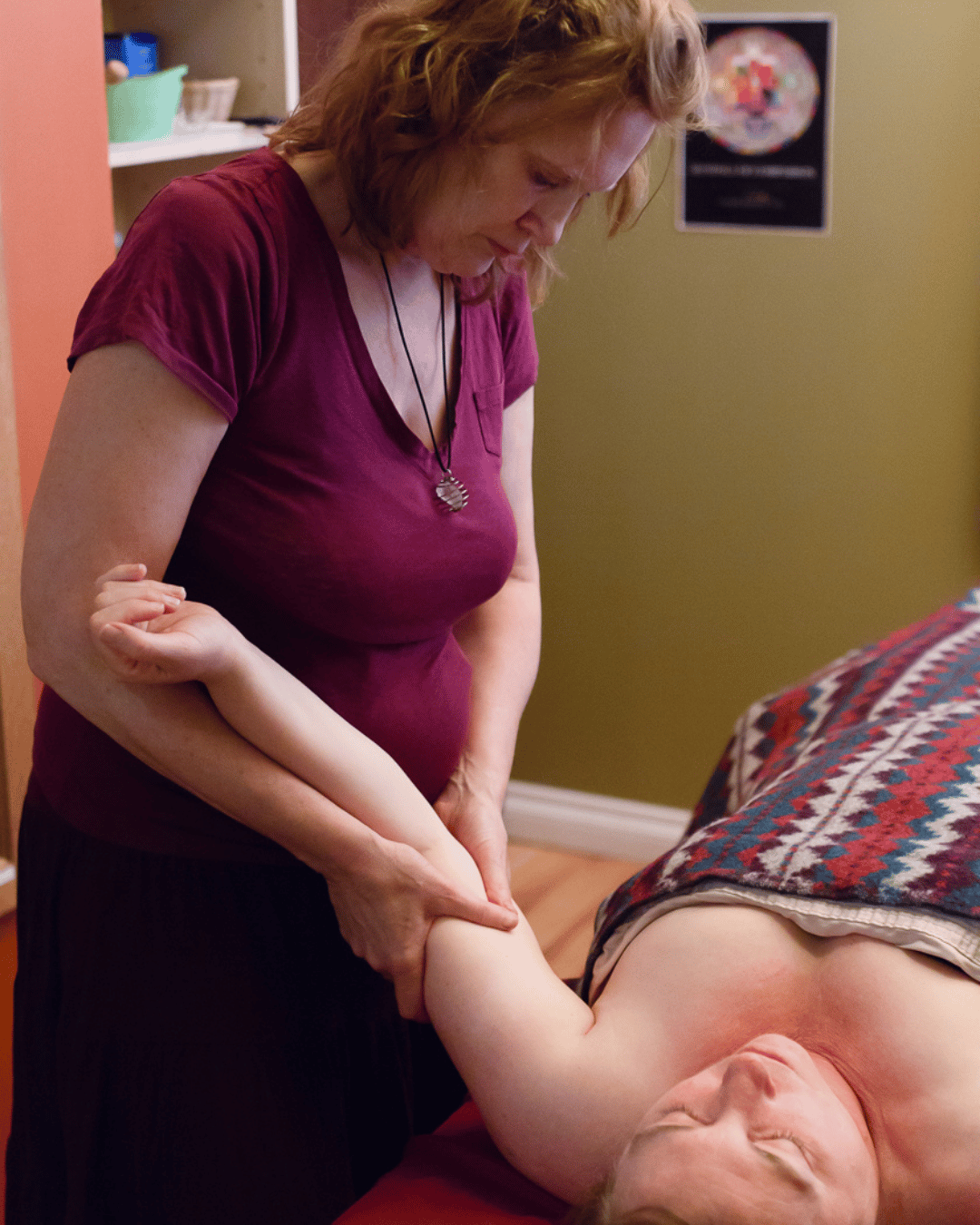 One of the most important things I've learned over the years is that there isn't one solution for every type of pain.
 You don't need to be in crisis to deserve care. You don't need to justify your symptoms to access support. And you don't need to reach some threshold of suffering before your discomfort finally counts.
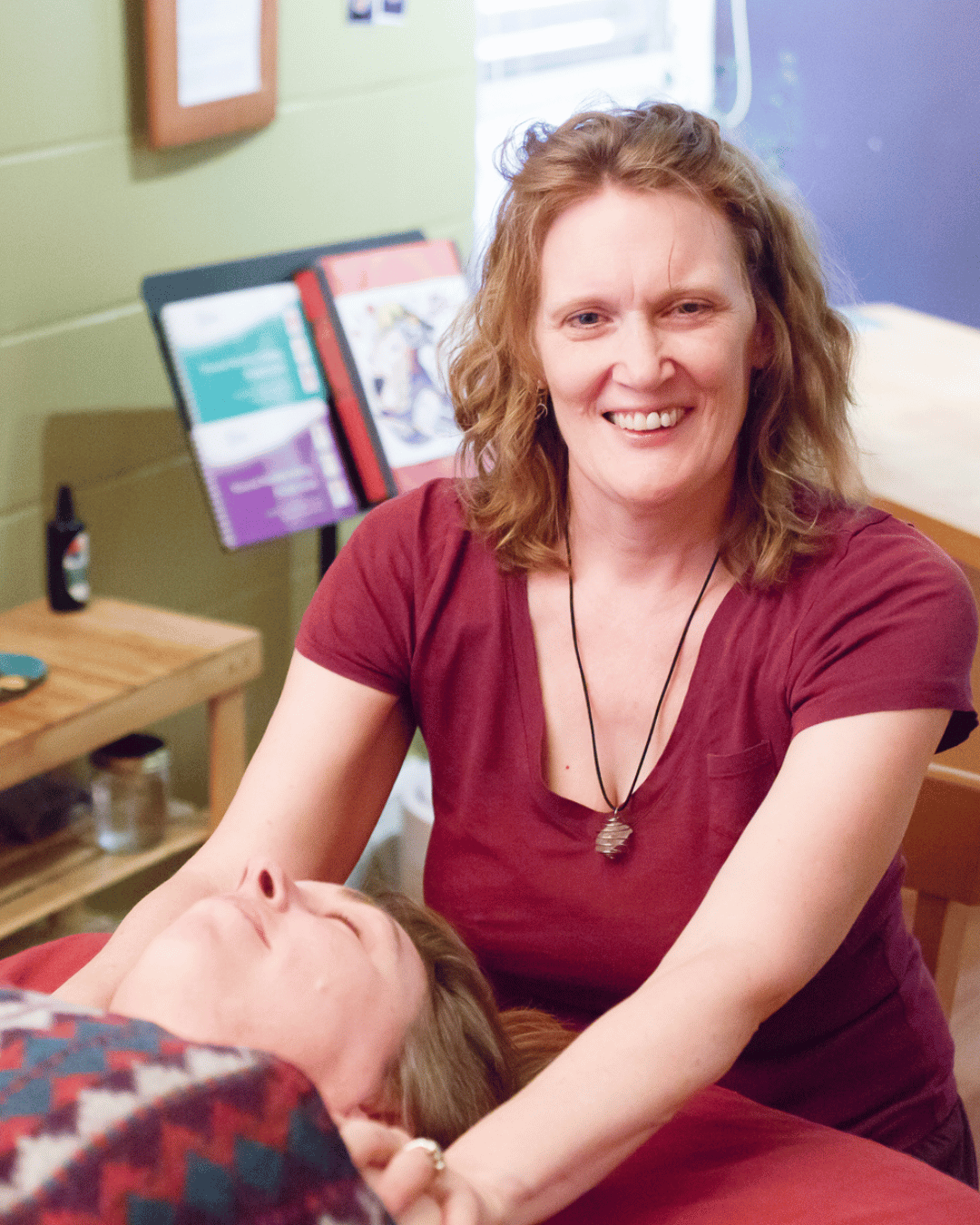
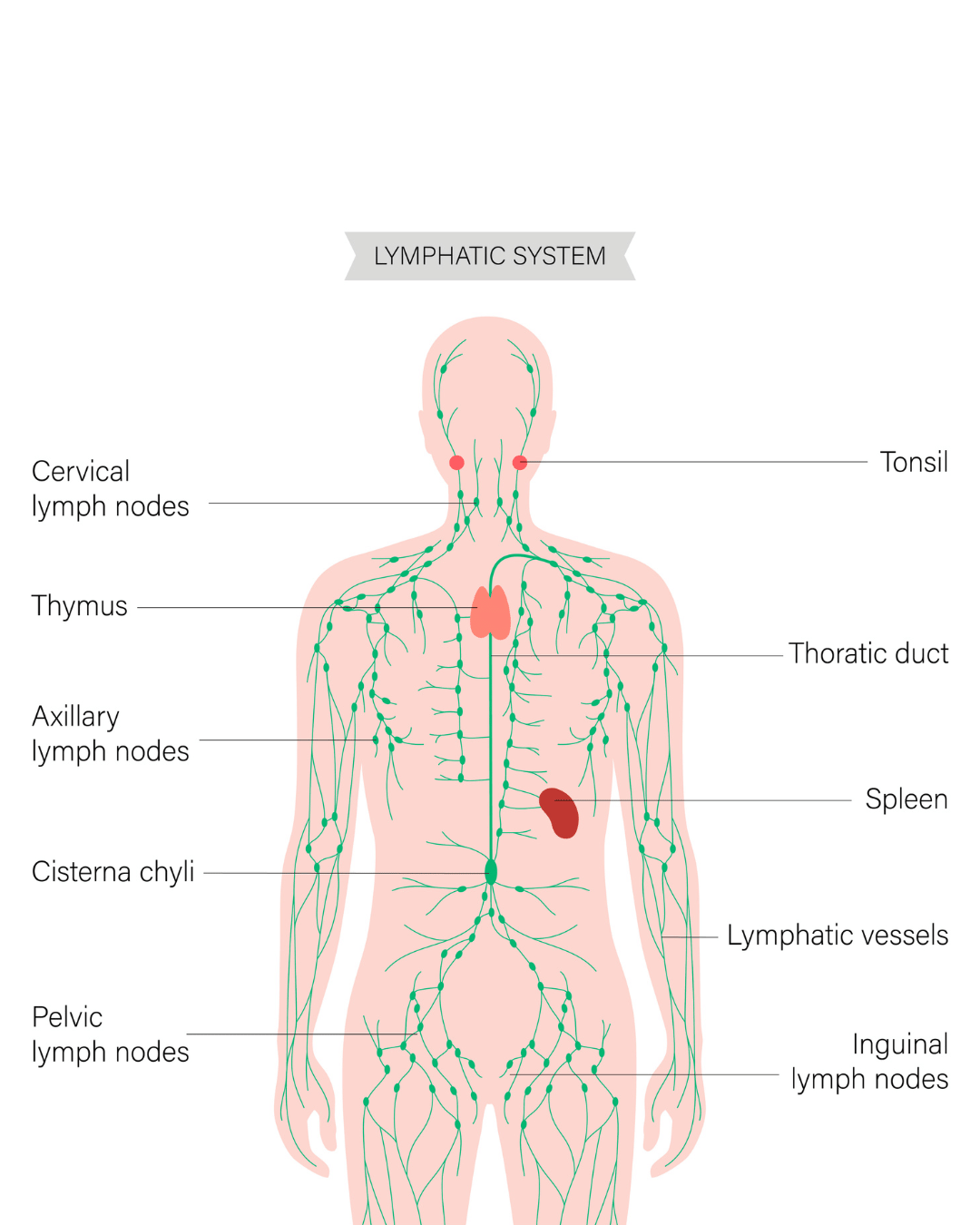 — also called Manual Lymphatic Drainage (MLD) — is a specialized, gentle form of massage therapy designed to support the movement of lymph fluid through the body’s lymphatic system.
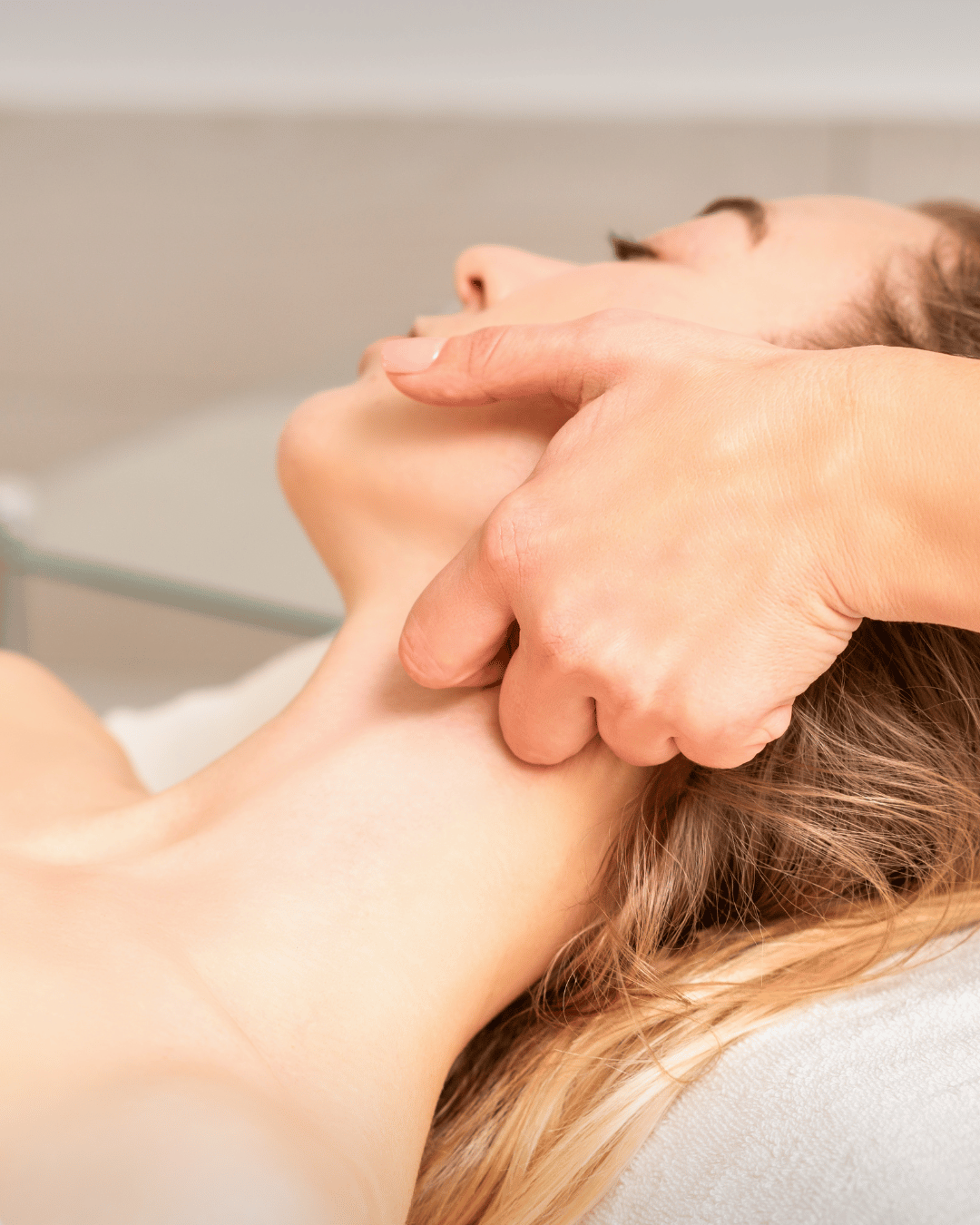 Your lymphatic system is a network of vessels, nodes, and organs running throughout your body. It has several critical functions:
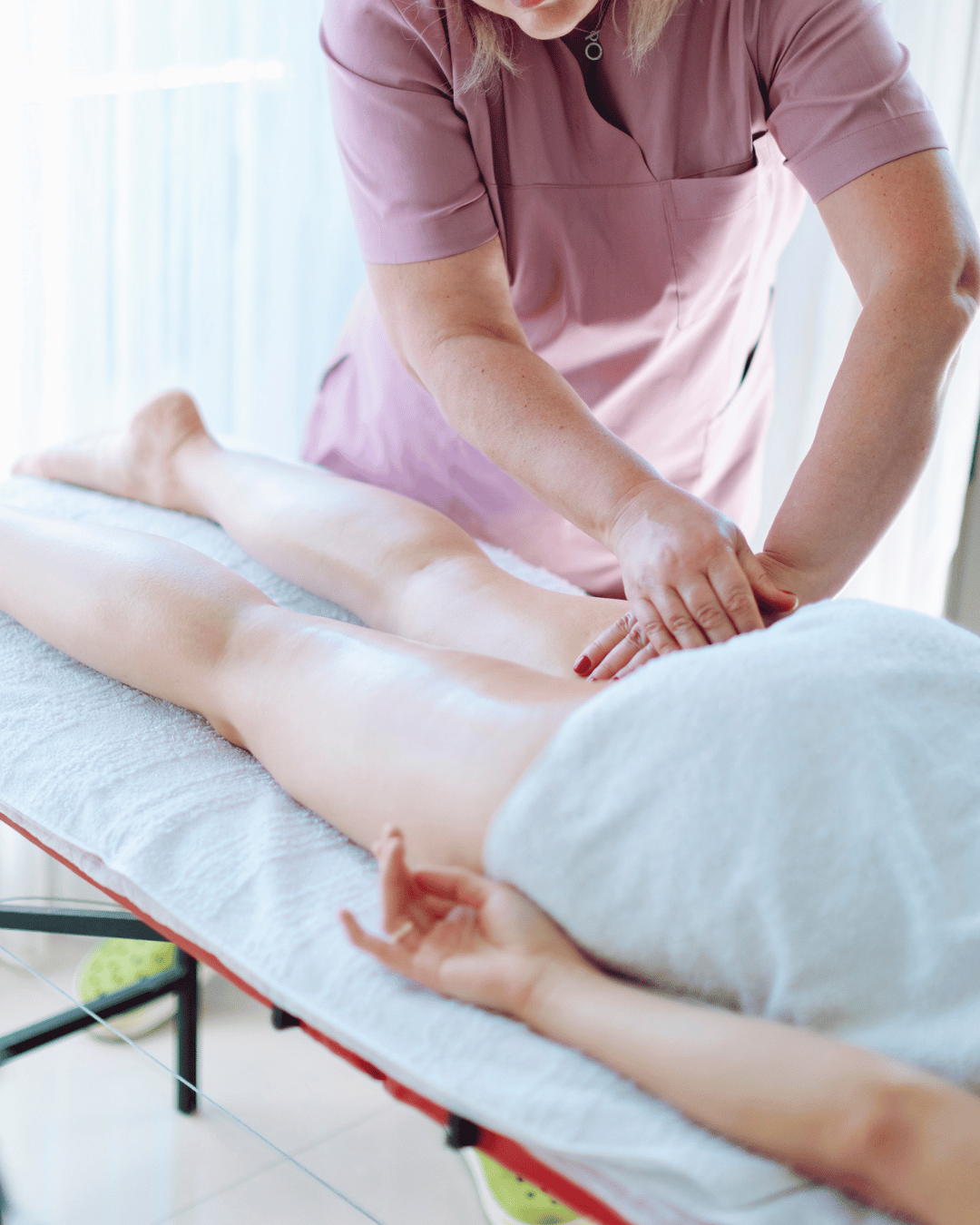 Most people are surprised by how gentle it is.
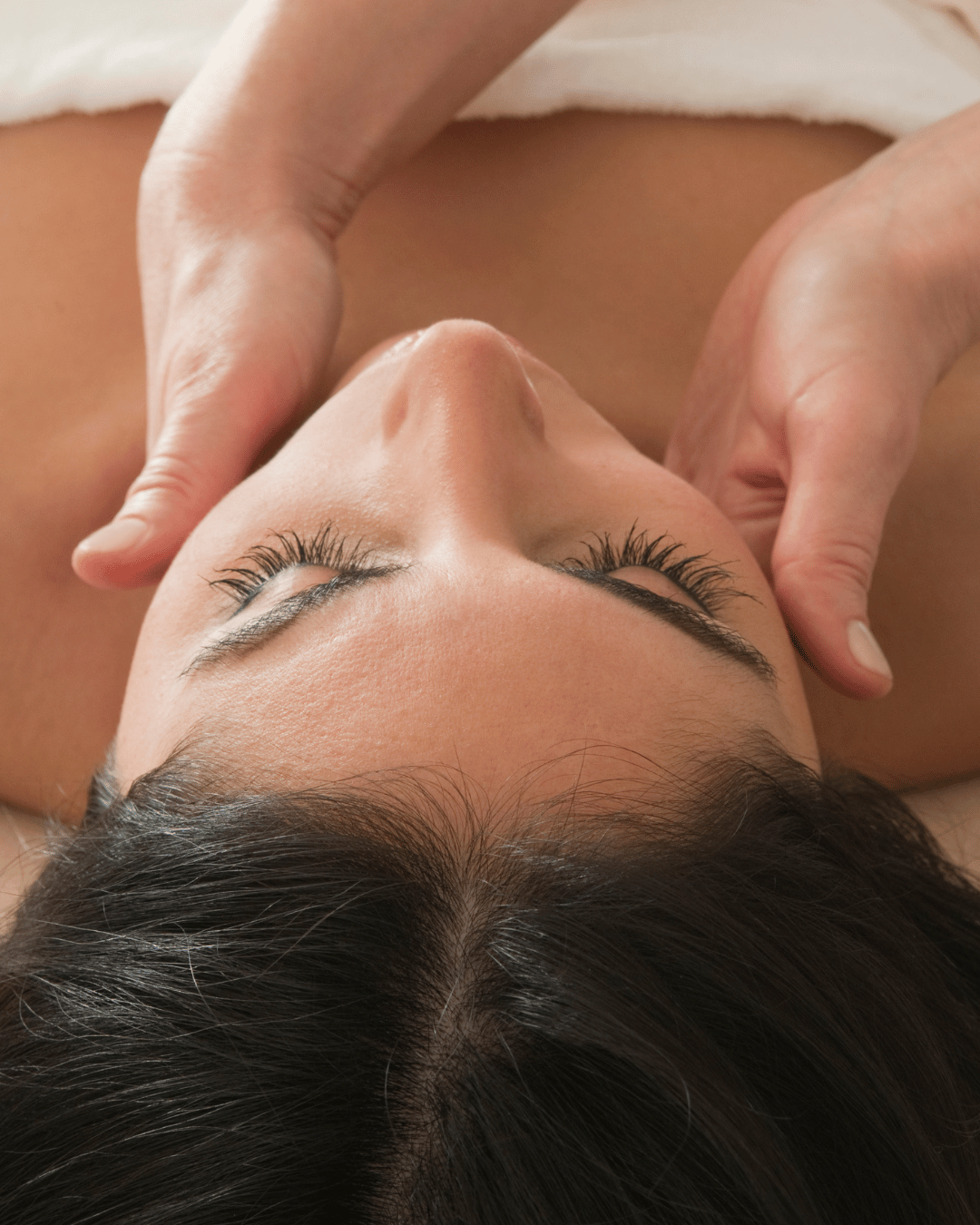 You don’t need a diagnosis to benefit from lymphatic support. Some common signs the lymphatic system may be sluggish or congested include:
 Sort of — but not in the way it’s usually described online.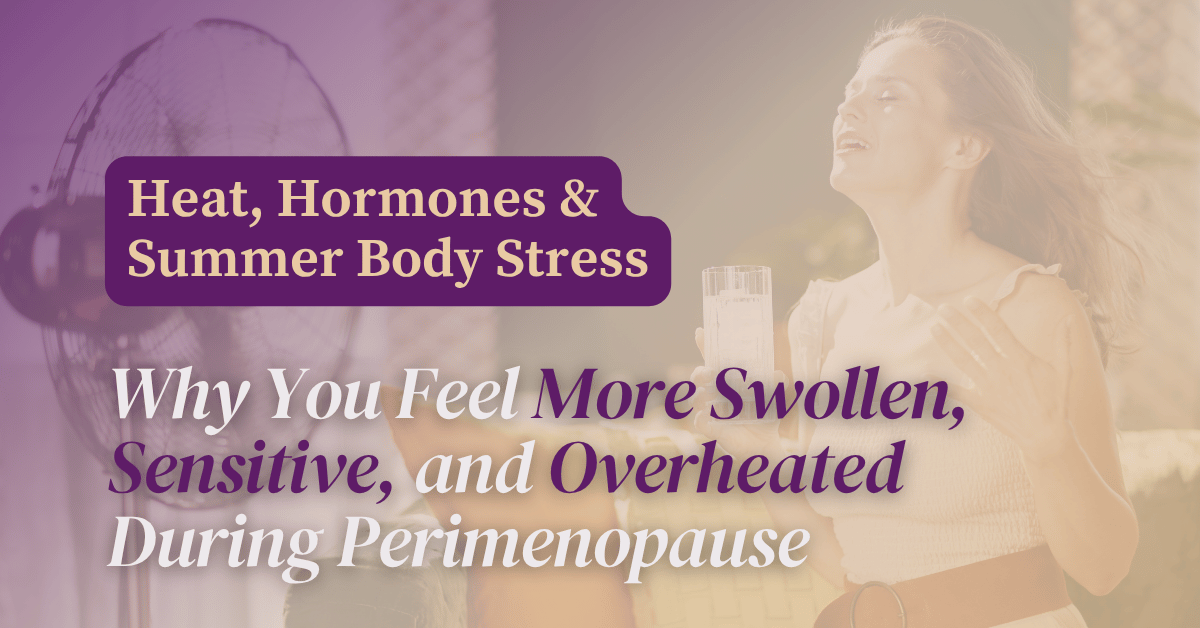
 I’m Pam Fichtner, a Registered Massage Therapist and a breast and chest educator and speaker. I’m the founder of Sephira Healing in Saskatoon and I’ve spent nearly 30 years working with the bodies of people navigating hormonal transitions, and every summer I see a surge of clients coming in and telling me about a new pain or symptom.
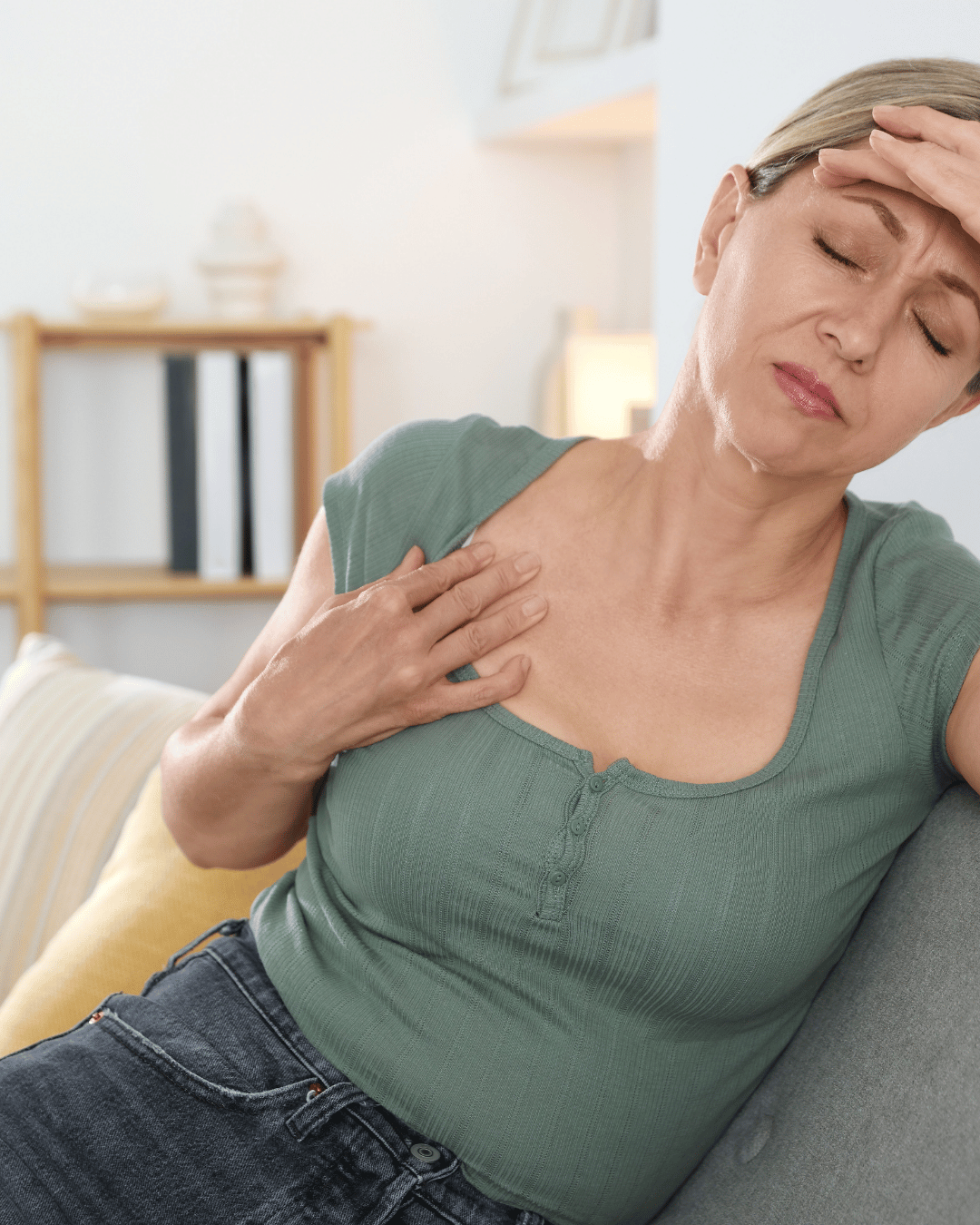 Breast tenderness is one of the most common and least-discussed symptoms of perimenopause. Research from the Centre for Menstrual Cycle and Ovulation Research (UBC) found that approximately one in three women in early perimenopause experience breast tenderness.
 You may notice: